
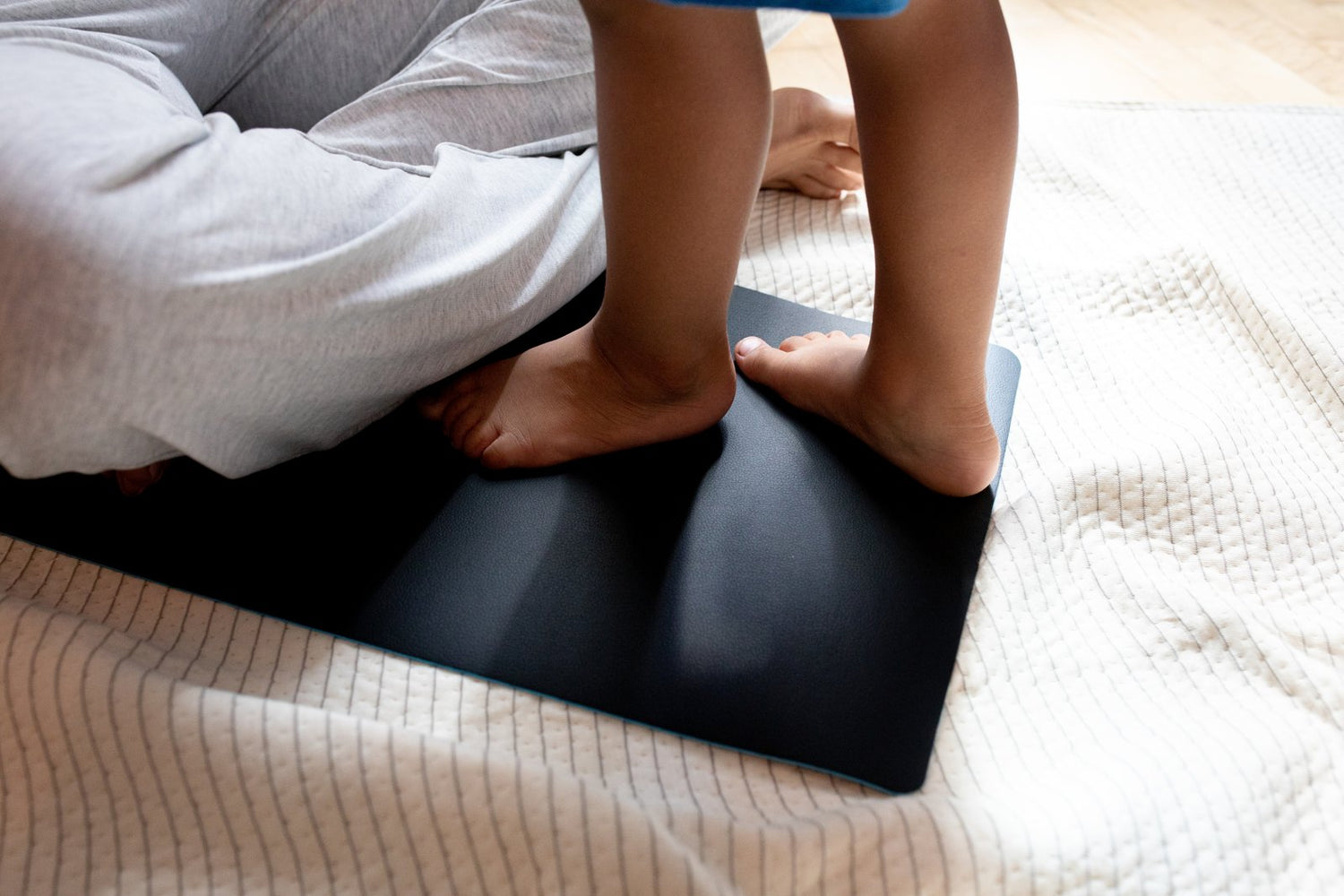
For most of human history, people lived in constant contact with the earth. We walked barefoot across soil and sand, slept close to the ground, and worked the land with our hands. Our bodies developed inside that connection, tuned to the steady electrical rhythm of the planet beneath us. Then, over the span of a few generations, we stepped away from it. Rubber-soled shoes, elevated beds, and sealed buildings lifted us off the ground and left us electrically isolated from the surface that shaped us.
Grounding, also called earthing, is the practice of restoring that connection. The idea is simple and the appeal is growing fast: reconnect your body to the earth's natural energy, and you give it back something modern life quietly took away. Today millions of people around the world ground themselves on purpose, many of them indoors, and the movement keeps expanding as the science behind it matures.
This guide explains what grounding is, why the earth's energy matters to the body, and how you can reconnect to it from your own home.
The Earth Is Alive With Energy
The surface of the earth carries a gentle negative electrical charge. Lightning strikes and solar activity feed the planet a continuous supply of free electrons, and that charge stays remarkably stable across the globe. Think of the ground you walk on as a vast, renewable reservoir of natural energy, replenished every second of every day.
Your body is built to use that energy. You are a conductive being. Your nerves fire with electrical signals, your heart beats to an electrical rhythm, and the fluids that fill your cells carry charge with ease. When your skin touches the earth, electrons flow into you and your body settles to the same electrical potential as the planet. Scientists describe the earth's surface electrons as one of nature's most abundant sources of antioxidants, capable of neutralizing the free radicals that drive inflammation and cellular stress.
That transfer is the heart of grounding. Bare feet on grass complete a circuit that has existed for as long as life has. The connection is quiet, continuous, and completely natural.
What Modern Life Interrupted
Here is what changed. The moment we started wearing shoes made from rubber and plastic, we insulated ourselves from the ground. Those soles block the flow of electrons the same way a rubber glove blocks a spark. Raised beds lifted us off the floor at night. Concrete towers, synthetic carpet, and sealed flooring finished the job. Many people now go days, weeks, or entire seasons without their skin ever touching the earth.
At the same time, our environments filled with electronic devices, wireless signals, and artificial fields our ancestors never encountered. We spend our days surrounded by energy that pulls us away from balance, and almost no time absorbing the energy that restores it.
Grounding closes that gap. It reconnects the body to its original electrical reference point and lets the planet do what it has always done: help us find equilibrium.
Why Grounding Supports Whole-Body Wellness
When electrons move from the earth into the body, they influence real physiological systems. Researchers exploring earthing have documented effects across several areas of health, and the picture that emerges points toward a body working the way it was designed to.
Grounding appears to calm the nervous system, shifting the body out of a stress-dominated state and into rest and repair. It supports healthy circulation by helping red blood cells carry more surface charge, which keeps them flowing freely rather than clumping together. It reduces markers of inflammation, the underlying driver behind so many of today's chronic complaints. And it helps regulate cortisol, the hormone that governs stress and sleep, guiding it back toward its natural daily rhythm.
People who ground consistently describe the results in plain language. They sleep deeper. They wake with less stiffness. They feel calmer, steadier, and more energized as the day goes on. Athletes use grounding to recover faster after hard training. Those living with everyday aches report that the edge comes off. These experiences line up with what the research keeps finding, and together they explain why grounding has moved from the fringe into a genuine global wellness movement.
Grounding is a complementary wellness practice that supports the body's natural balance. It works alongside a healthy life, not in place of medical care.
Bringing the Earth Indoors
The original form of grounding is free and available to anyone with a patch of grass. Take off your shoes and stand, sit, or walk on soil, grass, sand, or unsealed concrete for thirty minutes and you are grounded for that time. Swimming in a lake or the ocean grounds you too, since natural water carries the earth's charge.
But most people cannot lie on the lawn for eight hours a night, and climate, city living, and busy schedules make daily outdoor time a luxury. This is the problem indoor grounding solves, and it is the reason the practice has scaled to millions of homes.
Indoor grounding products carry the earth's energy inside through a safe, tested connection. Each one plugs into the grounding port of a properly wired outlet, the same port that already connects your home's wiring to a rod in the ground outside. No electricity flows through it. It is a pure pathway to the earth. When your skin rests on a conductive surface linked to that port, you receive the same connection you would standing barefoot on the lawn.
A few products make this effortless:
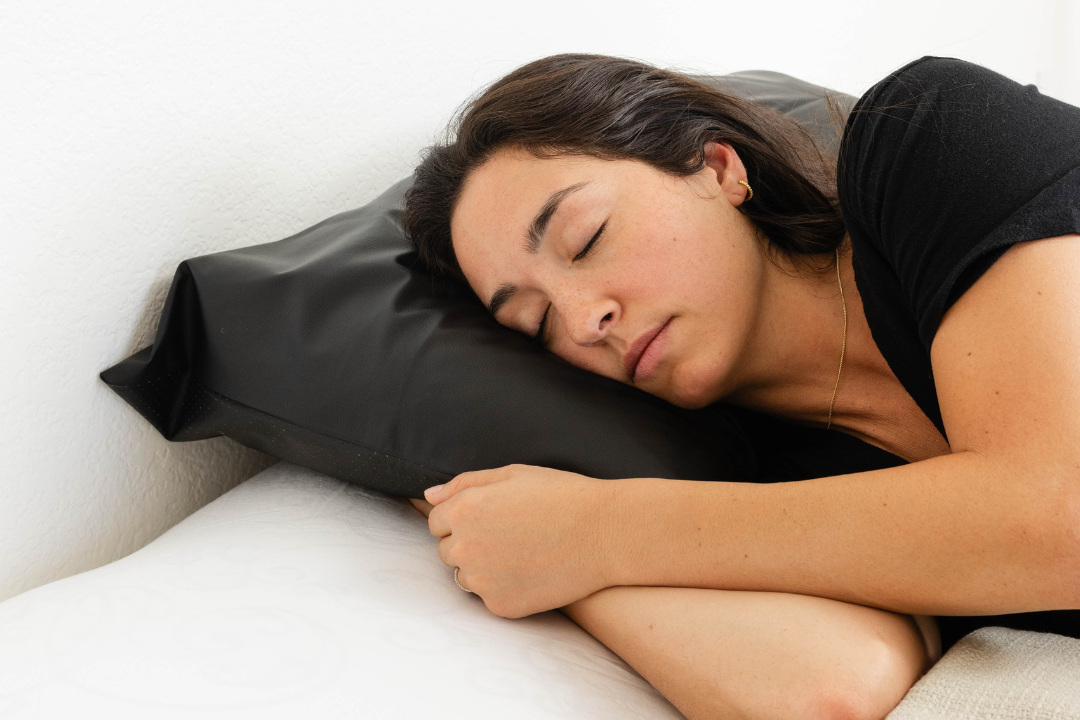
The grounding mattress cover brings the earth's connection into your bed through a conductive top layer, keeping you grounded through the night, during the long stretch of hours when your body does most of its repair work.
Grounding mats sit under your feet at a desk, beneath your hands while you work, or beside you on the couch, keeping you grounded while you go about your day.
Grounding accessories such as bands, patches, pillow covers, and travel-friendly mats extend the connection to wherever life takes you.
Before you begin, verify that your outlet is properly grounded with an inexpensive outlet checker. It takes seconds and confirms your connection is solid.
The Original Brand Behind the Movement
Not every company selling grounding products has a real connection to the science that started it all. Earthing.com does. This is the origin brand, born directly from the work of Clint Ober, the man who brought modern earthing to the world, and tied to the foundational research and the Earthing Movie that carried the message forward.
That heritage matters. It means the products are built on the exact principles the research examined, engineered for a reliable connection and safety rather than assembled to ride a trend. When you ground with Earthing.com, you reconnect through the brand that defined the practice.
Frequently Asked Questions
What does grounding actually do to the body?
Grounding lets free electrons from the earth flow into your body through your skin. These electrons act as natural antioxidants, helping neutralize free radicals, calm inflammation, support circulation, and settle the nervous system into a restful state.
Can I really ground indoors, or do I need to go outside?
You can absolutely ground indoors. Grounding products connect through the earth port of a standard outlet, delivering the same connection as bare feet on grass. For many people, indoor grounding during sleep is the most practical and consistent way to stay connected.
How long does it take to feel the benefits?
Some people notice calmer, deeper sleep within the first few nights. Other benefits, such as reduced stiffness and steadier energy, tend to build over two to three weeks of consistent grounding. Sleeping grounded every night gives your body the most contact and the best chance to respond.
Is grounding safe?
For healthy adults using a properly grounded outlet, grounding is safe and gentle. No electricity flows into you. If you have a pacemaker or take blood-thinning medication, check with your doctor first, simply as sensible practice when adopting any new wellness routine.
What is the difference between earthing and grounding?
The two words describe the same thing. Earthing usually refers to direct outdoor contact with the ground, while grounding often describes indoor connection through conductive products. Both reconnect your body to the earth's natural energy.
Reconnect, Starting Tonight
The earth has been offering its energy this whole time. We simply stopped reaching for it. Grounding is the choice to reach back, to reconnect your body with the surface that has supported human health for as long as humans have existed.
You can start right now for free by standing barefoot on the ground outside. And when you are ready to carry that connection into your sleep and your daily routine, explore Earthing.com's grounding collection and bring the earth's natural energy indoors, one night and one connection at a time.


Leave a comment
This site is protected by hCaptcha and the hCaptcha Privacy Policy and Terms of Service apply.