
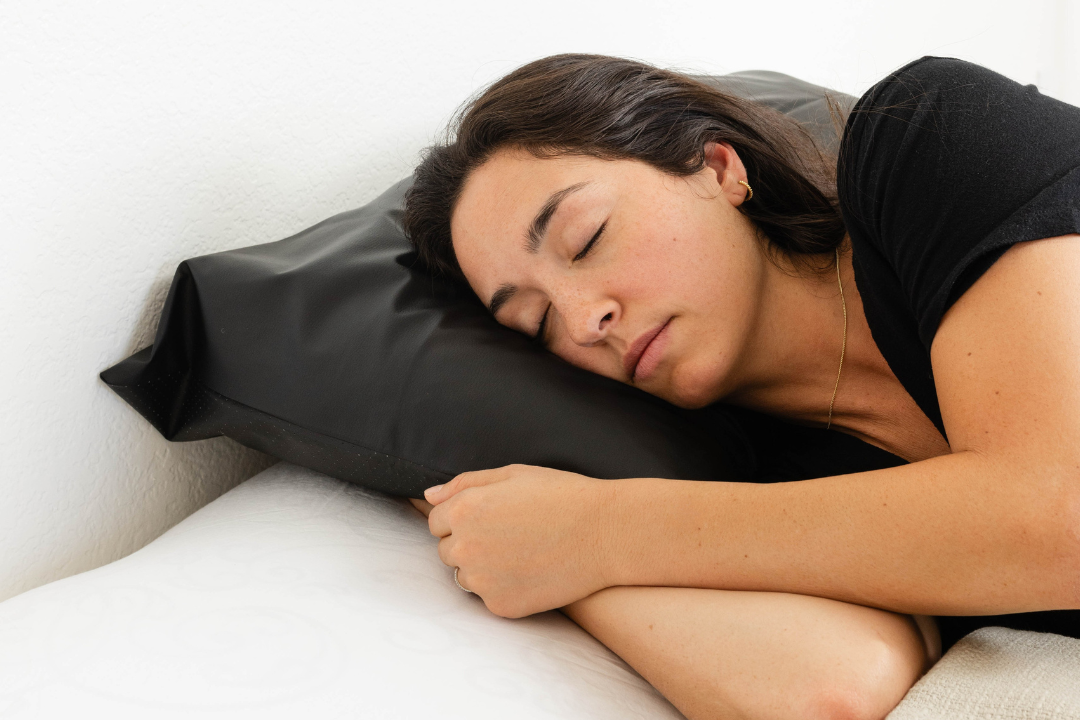
Ask anyone who grounds regularly what changed, and three answers come back again and again. They sleep better. They feel less stressed. And their bodies bounce back faster from the demands of daily life. These are the pillars of the earthing movement, and they are also the areas where the science is strongest and most exciting.
For a long time, grounding lived on the strength of personal experience alone. People felt the difference and told their friends. Over the past two decades, researchers set out to measure what those people were feeling, and the studies they produced give the practice a real scientific foundation. This article walks through what that research shows across sleep, stress, and recovery, and why so many people trust grounding to help them feel like themselves again.
The Mechanism: Electrons That Do Real Work
Before the benefits, the how. The earth's surface holds a nearly limitless supply of free electrons, fed continuously by natural atmospheric and geological forces. When your bare skin contacts the ground, or a conductive product connected to the ground, those electrons flow into your body.
Once inside, they behave like antioxidants. Free radicals, the unstable molecules behind inflammation and cellular wear, carry a positive charge and hunt for electrons to neutralize themselves. Grounding floods the body with exactly what those free radicals are looking for. Researchers who reviewed the earthing literature described this electron transfer as a plausible and powerful anti-inflammatory mechanism, one that touches nearly every system in the body because inflammation itself touches nearly every system.
That single mechanism, electrons quieting inflammation and rebalancing the body's electrical state, sits underneath all three benefits that follow.
Grounding and Sleep
Sleep was where earthing research began, and it remains the most celebrated benefit. In an early and widely cited study, researchers had participants sleep grounded and tracked their cortisol, the hormone that should fall at night to let you rest and rise in the morning to wake you up. In many modern lives that rhythm gets scrambled, leaving people wired at bedtime and foggy at dawn.
After sleeping grounded, participants showed cortisol patterns that moved back toward their natural, healthy curve. Just as striking, the people in the study reported falling asleep faster, waking less through the night, and feeling more rested. Their bodies were resetting the internal clock that modern life had thrown off.
This is why grounding during sleep is so powerful. Night is the longest uninterrupted stretch your body spends in one place, which makes it the easiest time to stay connected for hours at a stretch. A grounding mattress cover turns those eight hours into continuous contact with the earth, exactly when your body is doing its deepest repair.
Grounding and Stress
Stress is not only a feeling. It is a physiological state, run by the autonomic nervous system, the automatic control panel that decides whether you are in fight-or-flight or in rest-and-repair. When that system stays stuck in high alert, everything suffers: sleep, digestion, mood, and the immune system.
Researchers have measured what grounding does to this balance using heart rate variability, a trusted marker of nervous system health. Higher variability signals a body that adapts well and recovers quickly. Studies found that grounded participants showed improved heart rate variability, a shift toward the calm, parasympathetic side of the nervous system. In practical terms, grounding helps the body step down from stress mode.
People feel this shift directly. They describe a settled, grounded calm, less of the low buzz of anxiety that follows them through the day. Research into mood has echoed those reports, with grounded participants describing better mood and less tension. When your nervous system finds its balance, the whole day feels more manageable, and grounding gives it a steady nudge in that direction.
Grounding and Recovery
Recovery is where athletes discovered grounding, and where the anti-inflammatory story pays off most visibly. Every hard workout creates microscopic muscle damage and a wave of inflammation. That process is normal, but the faster your body clears it, the sooner you feel strong again.
Researchers studying delayed-onset muscle soreness had participants recover while grounded after intense exercise. The grounded group showed measurable differences in markers tied to inflammation and muscle damage, and they reported less soreness than those who recovered ungrounded. Their bodies were resolving the damage more efficiently.
Circulation plays a role here too. In a study on blood properties, grounding increased the surface charge on red blood cells, which kept them from clumping and helped them flow more freely. Better flow means more oxygen and nutrients delivered to tissues that are trying to rebuild, and waste carried away faster. For anyone recovering from exercise, injury, or simply the wear of a demanding week, that improved circulation supports the body's repair work from the inside.
Grounding supports the body's natural recovery processes and works best alongside good sleep, movement, and nutrition rather than in place of them.
Why the Evidence Points in One Direction
What makes the earthing research compelling is not any single study. It is the consistency. Independent research groups, looking at different outcomes, keep arriving at findings that fit together. Calmer cortisol explains better sleep. A balanced nervous system explains lower stress. Reduced inflammation and improved circulation explain faster recovery. Each thread reinforces the others, and all of them trace back to the same simple act of reconnecting the body to the earth.
The movement is growing because the experience and the evidence agree. People feel the benefits, researchers measure them, and the practice keeps spreading to new homes every day.
Frequently Asked Questions
What is the best way to ground for better sleep?
Sleeping grounded gives your body the most contact time. A grounding mattress cover keeps you connected through the entire night, which is when cortisol should fall and repair should peak. Most people who ground for sleep make it a nightly habit and let the benefits build.
How quickly does grounding reduce stress?
Many people feel a calming effect fairly soon, sometimes within the first sessions, as the nervous system shifts toward its rest-and-repair state. Consistency deepens the effect, so daily grounding tends to produce the steadiest sense of calm.
Can grounding really speed up recovery?
Research on muscle soreness and circulation suggests grounding supports the body's recovery by reducing inflammation and helping blood flow freely. Athletes use it after training for this reason, but the same benefits apply to anyone recovering from the physical demands of everyday life.
Do I need to sleep grounded, or is daytime grounding enough?
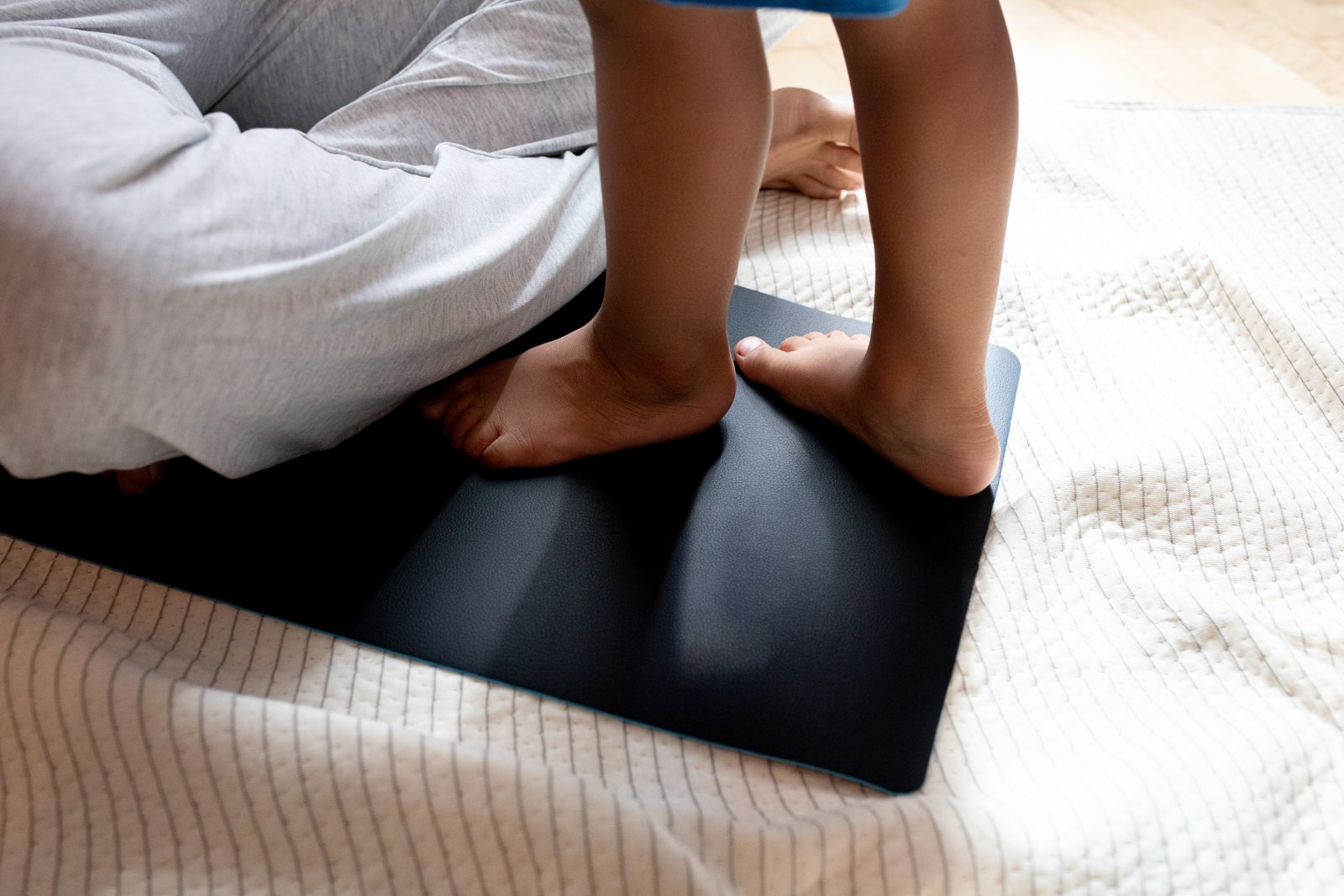
Both help. Daytime grounding with a mat is excellent while you work or relax. Nighttime grounding with a mattress cover simply offers the longest, most consistent window of contact, which is why so many people prioritize it.
Is the science behind earthing solid?
A growing body of published research links grounding to improvements in sleep, cortisol rhythm, nervous system balance, inflammation, and circulation. The findings are consistent across independent studies, and researchers continue to build on them as the field matures.
Put the Science to Work Tonight
The research and the lived experience tell the same story: reconnecting with the earth helps you sleep deeper, stress less, and recover faster. These are not distant, abstract benefits. They are the things that make tomorrow feel better than today.
You can begin the moment you decide to. Explore Earthing.com's grounding mattress cover and mats, set up your connection, and let the earth's natural energy support your rest, your calm, and your recovery, night after night.


Leave a comment
This site is protected by hCaptcha and the hCaptcha Privacy Policy and Terms of Service apply.