
Living with chronic pain affects so much more than your body. It steals your sleep. It drains your energy. It makes simple plans feel overwhelming. And after trying countless products, treatments, and recommendations, it's understandable to wonder whether anything new could actually help.
If you've been curious about grounding, you're not alone. Here is what researchers have discovered, where the science is promising, and what grounding can realistically offer people living with persistent pain.
Grounding is a complementary wellness practice. It is not a treatment for chronic pain and should never replace medical care. What it may do is support two of the body's systems that play an important role in how we experience pain.
Why Chronic Pain Can Be So Difficult to Break
For many people, chronic pain isn't caused by one problem. It's often driven by two interconnected systems. Inflammation is part of the body's natural healing response. But when it lingers longer than it should, it can continue irritating tissues and sensitizing nerves, making pain persist long after the original injury has healed.
Low-grade inflammation has been linked to many common conditions, including arthritis, joint pain, muscle aches, and chronic back pain.
An Overactive Nervous System
Pain doesn't just affect the body, it affects the brain. When pain continues for months or years, the nervous system can become increasingly sensitive. Small aches begin to feel larger. The body remains in a constant "fight-or-flight" state, making it harder to relax, recover, and sleep.
Poor sleep then increases pain sensitivity, creating a cycle that's difficult to escape. Researchers believe grounding may help support both inflammation and nervous system balance, which is why it continues to receive scientific attention.
What Researchers Have Measured
Rather than asking people only how they felt, many grounding studies measured what actually changed inside the body.
Better Sleep and Less Pain
One of the earliest grounding studies found that people who slept grounded reported both improved sleep and lower pain levels. Researchers also observed healthier cortisol patterns, suggesting the body's stress response was becoming more balanced.
Because better sleep often leads to lower pain sensitivity, these improvements may reinforce one another.
Healthier Blood Flow
One of the most well-known grounding studies looked at blood circulation. After just two hours of grounding, participants' red blood cells flowed more freely instead of clumping together. Better circulation helps deliver oxygen and nutrients to healing tissues while carrying away inflammatory waste products.
For anyone living with joint pain or long-term injuries, healthy blood flow plays an important role in recovery.
Supporting Recovery
Researchers also asked participants to complete intense exercise designed to create muscle soreness. Those who recovered while grounded experienced less soreness and showed healthier patterns in the biological markers linked to inflammation and muscle repair compared with those who were not grounded.
Calming the Nervous System
Several studies found grounding helped shift the nervous system away from "fight or flight" and toward the calmer "rest and restore" state. Researchers observed improvements in heart rate variability, a trusted measure of nervous system resilience, as well as healthier vagal tone, which helps regulate relaxation and recovery.
A particularly interesting study found similar improvements in premature infants, suggesting the body may respond naturally to grounding rather than simply expecting it to work.
Looking at the Research as a Whole
In 2015, James Oschman, Gaétan Chevalier, and Richard Brown reviewed the growing body of grounding research in The Journal of Inflammation Research.
They concluded that reconnecting with the Earth's natural electrons offers a scientifically plausible explanation for many of the benefits observed across previous studies, while also emphasizing the need for larger clinical trials to continue strengthening the evidence.
What Does This Mean in Real Life?
Grounding is not a miracle cure. It is unlikely to eliminate severe chronic pain overnight, and no honest researcher would suggest otherwise. What many people describe and what the research appears to support is something more gradual.
Pain becomes a little more manageable. Morning stiffness eases. Sleep improves. Recovery feels easier. Some people experience meaningful improvements. Others notice smaller changes. And some notice very little at all. That is true of almost every wellness practice.
What makes grounding worth exploring is that it is gentle, non-invasive, easy to incorporate into daily life, and carries very little risk for most healthy adults.
How to Try Grounding
If you're curious, give yourself four weeks. Rather than trying to judge each day, keep a simple journal.
Each morning write down:
- Your pain level (1 to 10)
- How long morning stiffness lasts
- How well you slept
Many people begin with the grounding mattress cover because sleep provides the longest uninterrupted period of grounding each day.
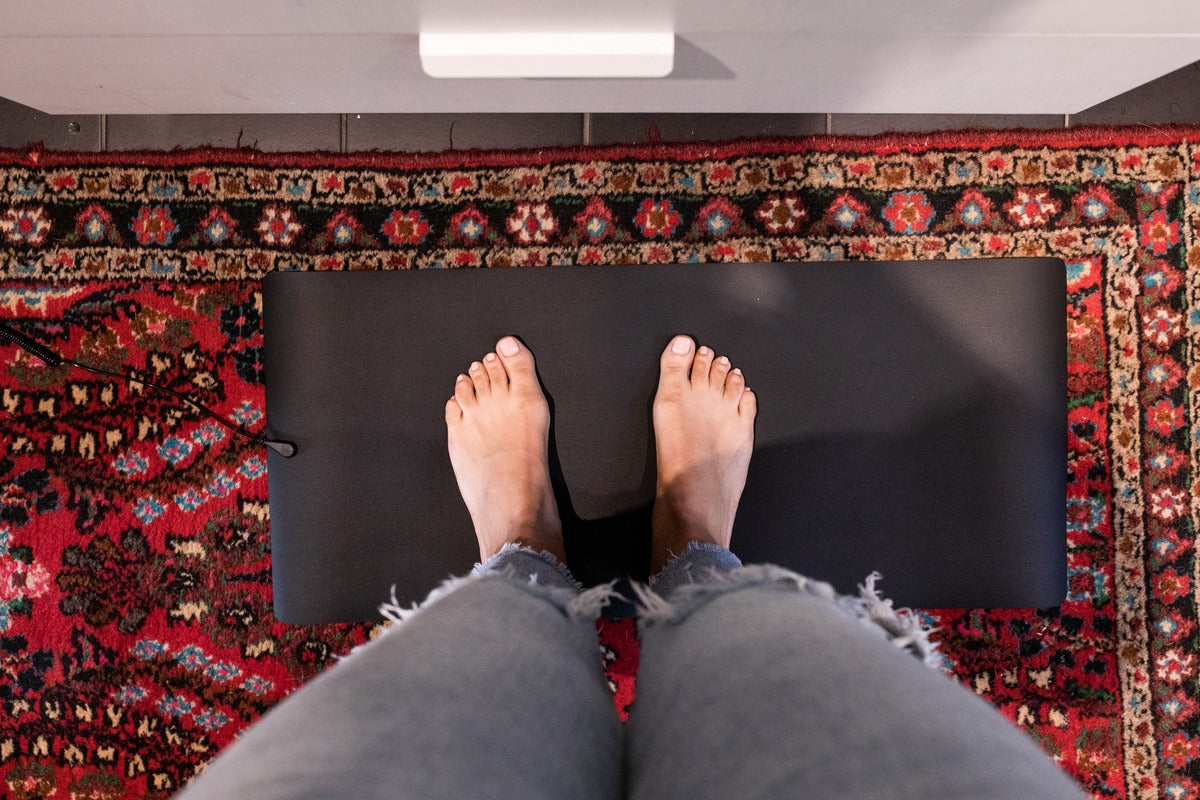
You can also spend time barefoot on grass, soil, or sand whenever possible. Even 20 to 30 minutes outdoors helps reconnect your body with the Earth's natural energy. Some people also use grounding mats while working or relaxing, or grounding accessories such as bands and patches for specific areas of the body.
Frequently Asked Questions
Can grounding help chronic pain?
Research suggests grounding may help support healthier inflammation, improve sleep, calm the nervous system, and reduce pain for some individuals. It should be viewed as a complementary wellness practice rather than a medical treatment.
How long does it take?
Many people notice improvements in sleep within the first week. Changes in pain and stiffness often develop more gradually over two to four weeks.
Can I continue taking my medications?
Yes. Grounding is intended to complement, not replace, your existing treatment plan. Never stop or change prescribed medications without speaking with your healthcare provider.
Is grounding safe?
Grounding is generally considered safe for healthy adults. If you have a pacemaker, implanted electrical device, or take blood-thinning medication, consult your physician before beginning.
A Simple Place to Begin
If you've been living with chronic pain, it's understandable to feel skeptical. Many people have tried countless approaches before discovering what works for them.
Grounding asks very little. Reconnect with the Earth each day. Give your body time to respond. Keep track of how you feel. Sometimes healing isn't about finding something new. Sometimes it's about restoring a connection your body has always known.
Earthing.com is the original earthing brand, founded by Clint Ober, who funded and championed much of the research above. Explore the grounding collection and start your four weeks tonight.



Leave a comment
This site is protected by hCaptcha and the hCaptcha Privacy Policy and Terms of Service apply.