
Grounding has become one of the most talked-about wellness practices in recent years, but what exactly is it, and does the science support it? If you've heard stories of better sleep, less pain, or feeling calmer after reconnecting with the Earth, you're not alone. This guide explores what grounding is, what the research reveals, and how you can begin experiencing its benefits with simple, no-cost practices.
What Grounding Actually Is
Grounding, also called earthing, means making direct skin contact with the surface of the earth so that your body and the planet share the same electrical charge. That’s the whole concept.
The earth's surface holds a mild negative charge, fed continuously by lightning strikes and solar activity. Roughly a hundred lightning bolts hit the planet every second, and that constant input keeps the ground supplied with free electrons. Your body conducts electricity, since your nerves fire electrically, your heart beats on an electrical rhythm, and the salty fluid inside and around your cells carries charge easily.
Your body is naturally electrical, and so is the Earth. When your bare skin touches grass, soil, sand, or other natural surfaces, your body reconnects with the Earth's gentle natural energy. For most of human history, this happened every day without us thinking about it. We walked barefoot, slept close to the ground, and spent our days immersed in nature. It was simply part of how we lived.
Then we insulated ourselves. Rubber and plastic shoe soles, the exact materials engineers use to block electrical contact, went on our feet. Beds lifted us off the floor. Synthetic carpet, sealed flooring, and high-rise apartments finished the separation. Many people now go weeks without their skin touching the earth even once. Grounding is the deliberate choice to reconnect.
What the Research Shows
Grounding could have remained nothing more than an interesting theory. Instead, Clint Ober, the man who noticed the shoe-sole problem in the late 1990s, went looking for scientists to test it rather than marketers to sell it. Two decades of published studies followed. Here is what they found:
Sleep and cortisol. Participants who slept grounded showed cortisol patterns moving back toward the natural curve, falling at night as it should. They fell asleep faster, woke less, and reported less pain.
Inflammation and pain. Researchers using thermal imaging watched inflammatory hot spots cool over weeks of grounding. A review in the Journal of Inflammation Research proposed that earth electrons neutralize the free radicals driving chronic inflammation, and linked grounding to faster wound healing and lower pain scores.
Circulation. In one of the most measurable studies, two hours of grounding raised the surface charge on red blood cells enough to sharply reduce clumping. Thinner, freer-flowing blood delivers more oxygen to tissue.
Nervous system. Grounded participants showed improved heart rate variability, a marker of a nervous system able to shift out of stress mode and into rest and repair. Measurements of skin conductance changed within seconds of the connection being made.
Mood. In a study on emotional state, an hour of grounding produced measurable improvements in mood compared to a sham setup.
Recovery. After hard eccentric exercise, grounded participants showed different inflammation and muscle-damage markers than ungrounded controls, and reported less soreness.
No single study proves a practice. What makes earthing convincing is that independent groups measuring different outcomes keep landing on findings that fit together. Calmer cortisol explains better sleep. Balanced nervous system tone explains lower stress. Reduced inflammation and better circulation explain faster recovery. Every thread traces back to the same electron transfer.
How to Start Today, For Free
You do not need to buy anything to try grounding. Walk outside and take your shoes off.
Conductive surfaces include grass, soil, sand, gravel, and unsealed concrete. Damp is better than dry, because moisture improves conductivity, which is why morning grass and wet sand feel so effective. Natural water works too, so a lake, a river, or the ocean grounds you the entire time you are in it.
Insulating surfaces do not work. Asphalt, sealed or painted concrete, wood decking, vinyl, carpet, and anything with a rubber or synthetic sole between you and the ground will block the connection.
Aim for thirty minutes. Some people feel a shift sooner, often as a sense of settling or warmth, and some feel nothing at first and only notice the difference in how they sleep that night. Both are normal.
Try it daily for a week and pay attention to your sleep, your morning stiffness, and your energy in the late afternoon. That is your baseline.
Why Indoor Grounding Exists
Here is the honest problem with outdoor grounding: almost nobody keeps it up.
Winter arrives. Work runs long. It rains for six days. You live on the fourth floor. And no matter how committed you are, you cannot lie on the lawn for eight hours a night, which is exactly when your body does its deepest repair work.
Indoor earthing products solve the consistency problem. Every properly wired outlet in your home already has a grounding port connected by wire to a rod driven into the soil outside. Grounding products plug into that port and nothing else. No current flows into you. The cord is a pathway to the earth, and it carries a built-in safety resistor.
When your skin rests on a conductive surface linked to that port, you get the same connection as bare feet on wet grass, at two in the morning in February.
The grounding mattress cover lays over your mattress under your fitted sheet and keeps you grounded through the night. This is where most beginners start, because sleep gives you seven or eight hours of contact without changing a thing about your routine.
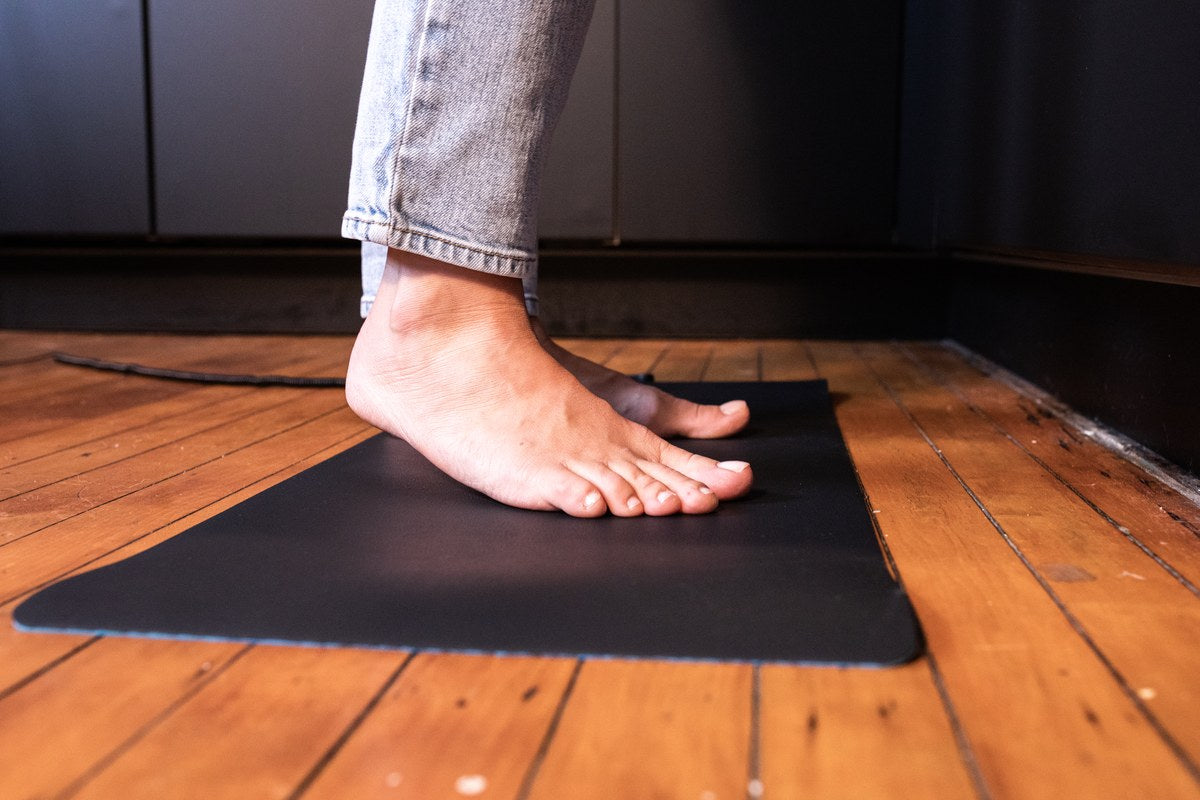
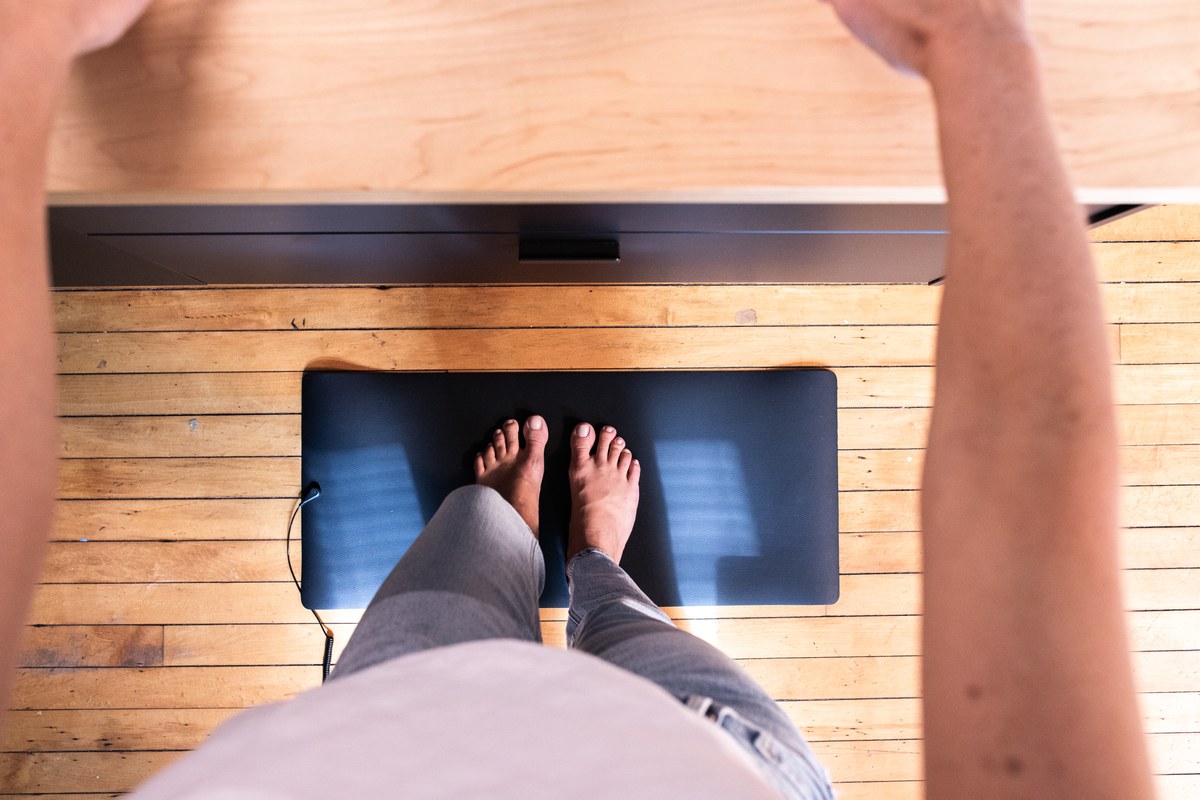
Grounding mats go under your feet at a desk, under your forearms while you type, or beside you on the couch. A mat is the natural companion to nighttime grounding.
Grounding accessories such as body bands, patches, and pillow covers target specific areas or travel with you.
Before your first night, test your outlet with a plug-in outlet checker. They cost a few dollars and confirm the grounding port is live and wired correctly.
Your First Two Weeks
Week one, sleep grounded every night and add fifteen or twenty minutes on a mat during the day. Do not change anything else, since you want to know what grounding alone does.
Write down three things each morning: how you slept, how stiff you feel getting out of bed, and your energy level at three in the afternoon. Memory is unreliable and gradual improvement is easy to miss.
Week two, keep going. Sleep changes tend to show up first. Reduced stiffness, steadier energy, and a calmer baseline usually build across two to four weeks. A small number of people feel achy or unusually tired for the first few nights as the body adjusts, which typically passes within a week. If it bothers you, start with an hour or two of grounding a day and build up.
Grounding is a complementary wellness practice. It supports your body's natural balance alongside good sleep, movement, nutrition, and medical care rather than in place of them.
Frequently Asked Questions
Do I need to be barefoot for grounding to work?
For outdoor grounding, yes. Skin has to touch a conductive surface. Rubber and plastic soles block the connection entirely. Indoors, grounding products work through direct skin contact with the conductive surface, so bare feet, arms, or back all work.
Can I ground through socks or clothing?
Thin, damp cotton conducts a little, but the connection is weak and unreliable. Direct skin contact is far better. With a mattress cover, any exposed skin touching the surface grounds your whole body.
How much grounding do I need each day?
Thirty minutes gives you a meaningful session. Sleeping grounded gives you seven to nine hours, which is why it produces the most consistent results. More contact time generally means more benefit.
Is indoor grounding as effective as being outside?
Both connect you to the same earth at the same electrical potential. Outdoor contact on damp ground is excellent and free. Indoor grounding wins on consistency, which is what actually determines results over months.
What if my home is not properly grounded?
An outlet checker will tell you in seconds. If your outlets are not grounded, a ground rod kit connects a grounding product directly to the earth outside through a window or door, bypassing your wiring altogether.
Take the First Step Tonight
Grounding asks almost nothing of you. Take your shoes off outside today and see how you sleep. That single experiment is how most people in this movement started.
When you are ready to make the connection nightly, explore Earthing.com's grounding collection and begin with the brand that started the practice.


Leave a comment
This site is protected by hCaptcha and the hCaptcha Privacy Policy and Terms of Service apply.